Related Articles
- Revving Up the Future: How Electric Cars are Changing the Art of Reviewing Automobiles
- "Ghost Cars: The Silent Rise of Abandoned Electric Vehicles in Post-Pandemic Urban Landscapes"
- The Secret Psychology of Car Colors: What Your Vehicle Choice Reveals About You
- The Silent Revolution: How Electric Vehicles are Shaping Urban Wildlife Habitats
- "Are We Ready for Electric Vehicle Funeral Homes? The Future of Eco-Friendly End-of-Life Services"
- Unlocking Your Car's Hidden Secrets: The Surprising Benefits of Aromatherapy for Vehicle Maintenance
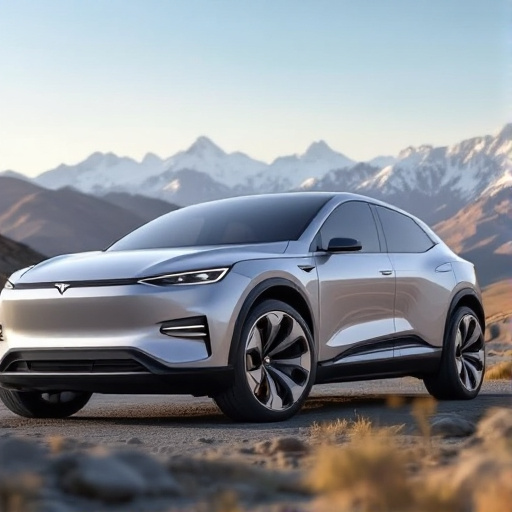
The Rise of Electric SUVs: Are We Ready for the Future of Eco-Friendly Family Cars?
The Rise of Electric SUVs: Are We Ready for the Future of Eco-Friendly Family Cars?
The rise of electric SUVs is more than just a trend; it signifies a pivotal shift towards eco-friendly family cars that can compete with traditional gasoline vehicles in both performance and desirability. As concerns about climate change and pollution grow, electric SUVs are poised to revolutionize the automotive landscape, offering families an environmentally friendly option without compromising on space and comfort.
The Eco-Conscious Family Car
Imagine this: You’re picking your kids up from soccer practice, and instead of the usual exhaust fumes, you’re quietly cruising in a state-of-the-art electric SUV that’s not only spacious but also emits zero tailpipe emissions. It’s a win-win situation where you can feel good about protecting the environment while juggling the chaos of family life. According to a 2021 study by the International Energy Agency, electric vehicles made up 4.6% of global car sales. Fast forward to 2022, and that percentage has nearly doubled!
Why Now? The Perfect Storm for Electric SUVs
So, what's driving this electric vehicle (EV) phenomenon? The convergence of several key factors is creating an ideal environment ripe for the rise of electric SUVs. First and foremost, advancements in technology have resulted in improved battery performance. For instance, the Tesla Model Y, an electric SUV, offers an impressive range of up to 326 miles on a single charge. That’s more than enough for most family outings!
Breaking Down Barriers: Overcoming the Range Anxiety
Range anxiety—it's the term that strikes fear into the hearts of potential electric vehicle owners. “Will I be able to make it to Grandma's house without running out of charge?” comes the worried thought. However, infrastructure enhancements, such as the expansion of charging stations, are quickly alleviating these concerns. According to the U.S. Department of Energy, there are over 100,000 public charging stations across the nation, making it increasingly convenient to go electric.
And let’s not forget the impact of government incentives. Many countries are offering substantial tax rebates and incentives for consumers transitioning to electric vehicles. These financial stimuli can tilt the scales in favor of that shiny electric SUV parked outside the dealership.
The Appeal of Family-Friendly Features
Electric SUVs are designed with families in mind. Let’s dive into some features that might just make you want to “plug-in” your next vehicle. For starters, many electric SUVs offer generous cargo space—a must for any family. The Ford Mustang Mach-E, an electric SUV, provides about 59.7 cubic feet of storage, easily accommodating strollers, sports gear, and grocery runs.
In addition to ample space, tech-savvy features appeal to the ever-connected family. The integration of advanced infotainment systems, smartphone compatibility, and driver-assist technologies are becoming commonplace. Imagine setting up your SUV to control home devices from the road or livin’ it up with Spotify’s streaming service while on a long trip. Family road trips will never be the same!
Real-World Case Study: The Smith Family Goes Electric
Meet the Smith family: Sarah, a 35-year-old mother of two, works as an educational consultant, and her husband, John, is a software engineer who’s all about sustainable tech. After years of driving a gasoline SUV, they decided to switch to the new Volkswagen ID.4, an all-electric SUV. Their first road trip to the beach was both exhilarating and transformative. They were impressed by how easy the charging stations were to find along the route, thanks to the accompanying app that signaled charging stations within a 50-mile radius.
At the end of the trip, the Smiths reported not only a quieter ride but also substantial savings at the pump. “We spent only about $15 to charge the car, and that would have cost us over $60 with our old gas guzzler,” Sarah explains. “Plus, we felt great knowing we were doing our part for the environment.”
The Future of Electric SUVs
The advancements in battery technology mean that the range of electric SUVs will only increase in the coming years. Experts predict that solid-state batteries could hit the market within the next decade, dramatically enhancing energy density and decreasing charging times. Imagine charging your vehicle fully in just 15 minutes! According to a report published by MarketsandMarkets, the EV market is expected to reach a staggering $800 billion by 2027. It’s safe to say that electric cars are here to stay.
But What About Environmental Impact?
Electric vehicles are often touted for their environmental benefits, but it's essential to consider the full picture. While they do generate zero tailpipe emissions, the production of EV batteries can pose environmental challenges. Mining for lithium and cobalt can lead to significant ecological disturbances. Nevertheless, with companies like Tesla constantly innovating and finding eco-friendly methods for battery recycling, the situation is improving.
Affordable Options Are Coming
Have you ever heard of the term “affordable luxury”? Well, electric SUVs are emerging as the affordable luxury of the automotive world. Introducing vehicles like the Kia EV6 and the Hyundai Ioniq 5, which are priced to appeal to the mid-range buyer. With prices starting around $40,000, families are beginning to see feasible electric options that don’t break the bank. This democratization of electric vehicles is crucial for broad acceptance in everyday life.
Employee Perspectives: Automakers Jump in the Game
Historically, automakers have been slow to adapt to the changing tides. However, several automakers have now redefined their strategies to align with the electric future. General Motors has pledged to transition to an all-electric future by 2035, planning to offer 30 new electric models within that timeframe. GM’s shift includes a new electric SUV called the Cadillac Lyriq, which targets the high-end market while promising robust performance and features.
Don’t Forget the Charge—The Home Charging Dilemma
So now you’ve made the leap to consider an electric SUV, but what about conveniently charging it at home? Depending on where you live, you may face some limitations. While many households can install a Level 2 charging station in their garage, urban dwellers might grapple with parking spaces without dedicated charging capabilities. However, innovative solutions are emerging, such as solar-powered charging stations and smart home integrations that simplify the process.
Conclusion: The Road Ahead is Electric
It’s clear that the rise of electric SUVs indicates more than just a fad; it highlights a monumental change in how families view their options for eco-friendly vehicles. From the convenience of technology to the drive for sustainability, these vehicles are slowly but surely becoming a part of the family conversation at the dinner table. The question now arises: are we really ready for this electric family car revolution? Given the current trajectory, the evidence suggests that we are not just ready but actively embracing a more sustainable future.
As we move forward, it’s crucial for families, manufacturers, and policymakers to collaborate in crafting a world where ecologically-friendly vehicles reign supreme. Prepare for the electric uprising, because it seems more than just a remote possibility; it’s zooming toward us in the fast lane!
Read More