Related Articles
- Revving Up the Future: How Electric Cars are Changing the Art of Reviewing Automobiles
- "Ghost Cars: The Silent Rise of Abandoned Electric Vehicles in Post-Pandemic Urban Landscapes"
- The Secret Psychology of Car Colors: What Your Vehicle Choice Reveals About You
- The Silent Revolution: How Electric Vehicles are Shaping Urban Wildlife Habitats
- "Are We Ready for Electric Vehicle Funeral Homes? The Future of Eco-Friendly End-of-Life Services"
- Unlocking Your Car's Hidden Secrets: The Surprising Benefits of Aromatherapy for Vehicle Maintenance
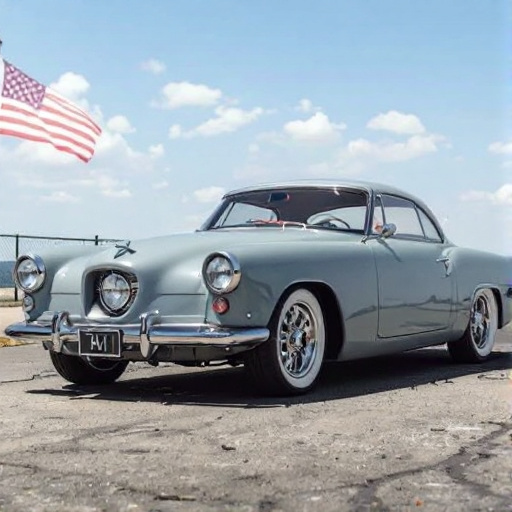
The Rise of Electric Classics: Are Retro EV Conversions the Future of Car Culture?
The Rise of Electric Classics: Are Retro EV Conversions the Future of Car Culture?
As electric vehicles take center stage in the automotive world, classic car enthusiasts find themselves at a crossroads. Retro EV conversions are becoming a thrilling intersection of nostalgia and innovation, promising a bright future for car culture.
Exploring the World of Retro EV Conversions
Imagine cruising down a sun-drenched highway in a beautifully restored 1967 Ford Mustang, the engine rumbling at your fingertips, but wait—what if that roar was replaced with the discreet hum of an electric motor? This isn't just the stuff of dreams; it’s becoming a reality for a growing number of car aficionados. Electric classic conversions allow enthusiasts to preserve the timeless beauty of vintage cars while embracing modern technology’s eco-friendliness.
The Reality Check: Is This the End of the Line for Gas-Powered Classics?
However, let’s pause and ponder: are retro EV conversions just a fleeting trend? Data from the International Energy Agency (IEA) indicates that electric vehicle sales have surged by 54% globally in 2021, surpassing 6.6 million units, and this trend doesn’t seem to be slowing down. Traditional gasoline cars are facing potential bans in numerous metropolitan areas, leading to concerns over the future of gas-powered classics. But rest assured, while this shift poses challenges, it also creates a unique opportunity for the classic car culture to adapt and thrive.
A New Lease on Life for Vintage Icons
Take the case of the Porsche 911, a model revered for its performance and design. There are conversions currently underway that marry the iconic shape of the 911 with fully electric drivetrains, breathing new life into these cherished machines. Companies like Electric Classic Cars in Wales and Zelectric Motors in California are at the forefront of this movement, showcasing how vintage aesthetics can harmoniously coexist with state-of-the-art powertrains.
Real-World Examples of Electric Classic Conversions
One project worth noting is the electric Volkswagen Bus by Volkswagen itself. The brand has taken a nostalgic approach by planning electric versions of its classic models. This hybrid between old-school vibes and new-school sustainability has created considerable buzz within the automotive community. According to Volkswagen, the ID. Buzz will bridge generational gaps, appealing to both the die-hard VW enthusiasts and environmentally-conscious consumers.
Taking the Throttle into Their Own Hands
For the DIYers among us, the retro EV conversion scene is a veritable playground. Enthusiasts are not just passive consumers; they’re actively shaping the future with their own hands. Websites like EV West provide kits and guidance for home mechanics to convert classic cars into electrified vehicles. Whether it's a Datsun 240Z or a classic Chevy pickup, people are changing the narrative, opting for eco-friendly performance without sacrificing style.
The Value Proposition: Economics of Conversions
From an economic perspective, retro EV conversions are backed by a comprehensive cost-benefit analysis. While the initial investment can be steep, typically ranging from $20,000 to $100,000 depending on the vehicle and components, operational savings come into play. Owners can save a significant amount on fuel and maintenance over time. In fact, a study by the Electrification Coalition estimates that electric vehicles can save drivers up to $1,000 annually compared to gasoline-powered counterparts.
What Makes EV Conversions So Alluring?
But why go electric? The appeal lies not just in sustainability but also in performance. Electric motors provide nearly instantaneous torque. This means that classic cars, once known for their raw but often clunky performance, can now accelerate like a Tesla. Imagine the famous ’69 Camaro, revered for its robust power, now transformed into a silent yet ferocious beast on the road.
Preserving Heritage in the Era of Innovation
Despite the technological advancements, the core essence of car culture remains intact. Conversion companies often emphasize the importance of preserving the vehicle’s originality. Many retrofits can maintain the aesthetics of the classic body while upgrading the internals. This synergy of old and new not only mitigates the loss of cultural heritage but ensures the vehicles remain thrilling to drive.
Case Study: The Electric Classic Mini
Consider the classic Mini Cooper, a symbol of British motoring since the 1960s. The electric conversion company, Swindon Powertrain, has made headlines with its electric version of the classic Mini, delivering a lightweight vehicle that offers modern performance while honoring its heritage. Reviews indicate that drivers report higher satisfaction and even a deeper emotional connection with the electrified version compared to its older gas-powered brethren. One driver shared, “It’s like taking a piece of history and infusing it with future tech. I get the nostalgia without the pollution!”
Addressing Concerns: Purists vs. Eco-Warriors
Yet, not everyone is celebrating this paradigm shift. Classic car purists often voice their concerns about altering the ‘soul’ of the vehicle. Cars carry memories, stories, and experiences that oftentimes feel sacrilegious to modify. This opposition raises the question: does electrical conversion dilute the original experience? However, as society increasingly prioritizes sustainable practices, this debate must also evolve. Just as vinyl records co-exist with streaming services, there’s potential for both fossil-fuel-powered classics and their electric counterparts to exist side by side.
The Community Factor: Car Meets and Beyond
As electric classics emerge, the community surrounding car culture continues to adapt. Owners of electric retrofits are organizing their own meets, showcasing their vehicles alongside the classics that inspire them. Imagine the colorful lineup at a local car show, where a gleaming Tesla Roadster shares the stage with an electric BMW 2002. It’s a striking visual representation of the motoring world embracing change without losing sight of its roots.
The Future Is Vintage and Electric
Fast forward to the next decade, and it’s not out of the realm of possibility that we might witness electric classic car museums, further popularizing the blend of heritage and sustainable innovation. Schools and communities are already stepping up educational programs focused on E-vehicle technology, creating a new generation of car enthusiasts who appreciate both the artistry of classic designs and the principals of sustainability.
Economic and Environmental Benefits
Beyond the sentimental value, electric classic cars play a significant role in reducing urban emissions. A report by the Union of Concerned Scientists states that switching to EVs could reduce greenhouse gases by 80% over their lifetimes when powered by renewable energy. By converting classic cars to electric, owners not only prolong the life of the vehicles they cherish but also contribute to the global fight against climate change.
Final Thoughts: A Win-Win Situation
So, are retro EV conversions the future of car culture? With the undeniable intertwining of nostalgia, performance, and environmental sustainability, the answer leans toward a resounding yes. Car enthusiasts don’t need to choose between their love for vintage automobiles and the planet. They can now have their cake and eat it too—history wrapped in a futuristic package. For those who argue against making changes, consider this: innovation is a part of culture, not a disruptor of it. The electric classic movement is a testament to how we can honor our past while driving boldly into the future.
Join the Revolution
In conclusion, as electric classics emerge, shifting the paradigm of what car culture means, we invite you to join this revolution. Whether as an observer, a participant, or a skeptic, your role is vital. The future of retro cars might just be electric, and that’s a ride worth embarking on. So, rev up those thoughts and join the discourse: how can we transform our love for vintage vehicles into a sustainable legacy?
Read More