Related Articles
- Revving Up the Future: How Electric Cars are Changing the Art of Reviewing Automobiles
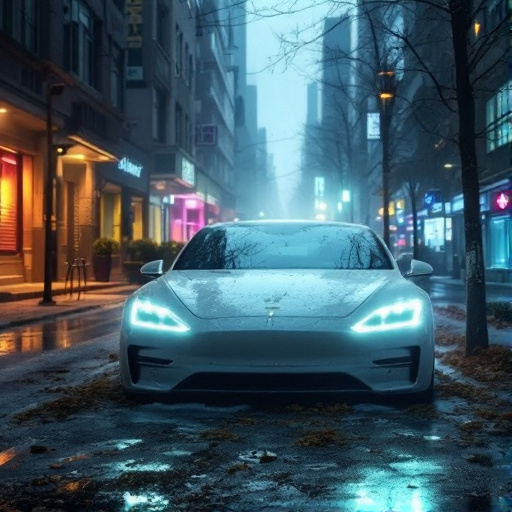
- "Ghost Cars: The Silent Rise of Abandoned Electric Vehicles in Post-Pandemic Urban Landscapes"
- The Secret Psychology of Car Colors: What Your Vehicle Choice Reveals About You
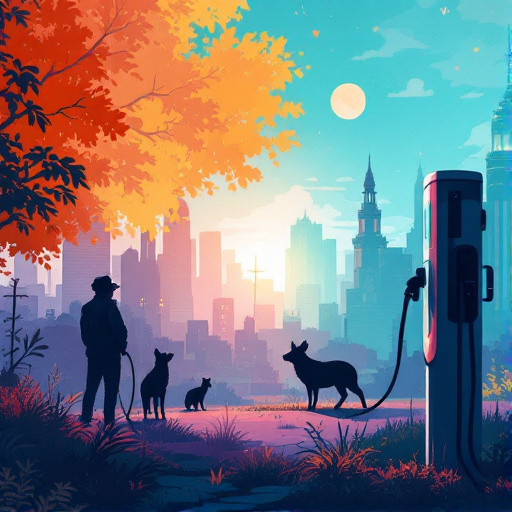
- The Silent Revolution: How Electric Vehicles are Shaping Urban Wildlife Habitats
- "Are We Ready for Electric Vehicle Funeral Homes? The Future of Eco-Friendly End-of-Life Services"
- Unlocking Your Car's Hidden Secrets: The Surprising Benefits of Aromatherapy for Vehicle Maintenance
Electric Vehicles and You: How Changing Consumer Behaviors are Shaping the Future of Car Design
Electric Vehicles and You: How Changing Consumer Behaviors are Shaping the Future of Car Design
As consumer behaviors shift towards sustainability and technology, electric vehicles (EVs) are not just a trend but the cornerstone of future car design. This article explores the connection between evolving consumer preferences and how they are reshaping the automotive industry.
The Rise of Electric Vehicles
In 2020, electric vehicles made up about 2.6% of total vehicle sales globally, according to the International Energy Agency (IEA) [1]. Fast forward to 2023, and that number has surged past 10%, as consumers become increasingly aware of their environmental impact. The shift is not just a passing phase; it signals a drastic reconfiguration of the automotive landscape. Young millennials and Gen Z consumers, who are more eco-conscious than their predecessors, are driving this transformation.
Changing Consumer Preferences
The new generation of car buyers is fueled by a desire for sustainability. They are not only considering fuel efficiency but are also deeply invested in reducing their carbon footprint. According to a survey by McKinsey, 70% of consumers in the U.S. are willing to change their purchasing habits to minimize environmental impact [2]. This mindset is prompting automakers to rethink their designs, materials, and overall approach to vehicle creation.
Design Meets Technology
Electric vehicles aren’t just eco-friendly; they are also packed with cutting-edge technology. Features like regenerative braking systems, advanced driver-assistance systems (ADAS), and state-of-the-art infotainment options provide users with a modern driving experience. Tesla has become synonymous with innovation, continuously updating software over-the-air and creating a loyal customer base eager for the latest features.
The Emphasis on Aesthetic Appeal
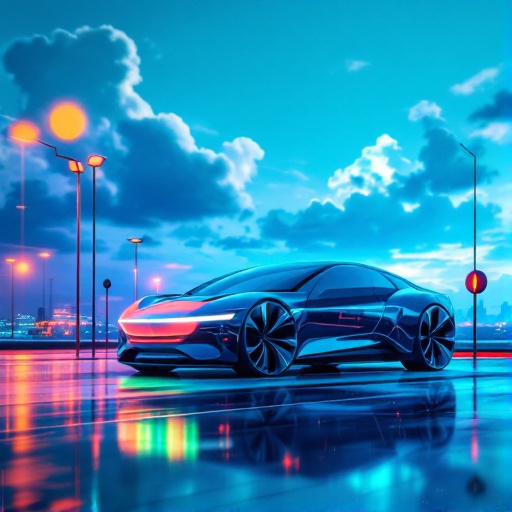
Let’s be real: nobody wants to drive a boring car. Today’s consumers expect vehicles that not only function well but also look good doing it. The design language of EVs, characterized by smooth lines and futuristic silhouettes, reflects this need for aesthetics. The Chevrolet Bolt, for instance, showcases an aggressive stance that combines efficiency with style, making it appealing to younger drivers.
Case Study: Tesla's Influence
When discussing EVs, Tesla is often the first name that comes to mind. Founded in 2003, the company didn’t just create an electric car; it redefined car ownership for an entire generation. Tesla's relentless focus on design and performance has prompted even traditional automakers to step up their game. Ford’s electrification strategy, including the Mustang Mach-E, pulls inspiration directly from Tesla’s playbook—proof that consumer behavior demands innovation.
Impact on Materials and Manufacturing
As more consumers favor electric vehicles, automakers are also re-evaluating the materials used in car manufacturing. There is an increasing push towards sustainable materials like recycled plastics, organic textiles, and even materials derived from hemp. BMW's i series is an excellent example of this sustainable shift, using eco-friendly materials to reduce the carbon footprint of its vehicles.
The Emotional Connection
For many consumers, owning a vehicle is not just about transportation; it's about identity and lifestyle. EVs have created a new sense of belonging among owners, who often pride themselves on contributing to a greener planet. This emotional aspect is crucial for brands in the EV space. According to a study by J.D. Power, consumers who feel a personal connection to their vehicle are 60% more likely to recommend it to others [3].
The Role of Incentives
Government incentives play a significant role in shaping electric vehicle adoption. Tax credits, rebates, and access to carpool lanes have made owning an EV more enticing. In California alone, EV sales doubled between 2015 and 2020, fueled by aggressive state incentives. This trend is encouraging automakers to invest in EV technology and design, knowing that the market's demand is supported by governmental backing.
Customer Experience in the Age of Electric Vehicles
The purchasing journey for electric vehicles has been radically enhanced through technology. Virtual showrooms, 3D car configurators, and AI-driven personalized recommendations make the buying process more engaging. Automakers like Rivian are capitalizing on this trend by offering rich online experiences that create excitement before the consumer even steps foot in a dealership.
Charging Infrastructure: A Key Ingredient
One cannot discuss EVs without mentioning the importance of charging infrastructure. A survey by the U.S. Department of Energy found that 59% of EV owners see the lack of charging stations as a barrier to purchase [4]. As consumer demand grows, companies are investing heavily in charging networks. Ford and Volkswagen, for instance, have committed billions to build and expand their charging capabilities, which helps reassure potential buyers about range anxiety.
Future Innovations: Beyond the Car
Looking ahead, the future of automotive design is not just about the car itself but about the entire ecosystem that supports it. Imagine a world where your EV communicates with smart city systems to optimize traffic flow or reports its status to a charging station, ensuring you get powered up just when you need it. This interconnectivity is a thrilling prospect and plays directly into the hands of a consumer who demands seamless technology integrated into their automotive experience.
Building Brand Loyalty
As EVs capture a larger share of the automotive market, brand loyalty becomes increasingly important. Automakers must not only produce high-quality vehicles but also engage with consumers on a personal level. A study by Brand Keys revealed that emotional connection drives loyalty in the automotive sector, with brands that foster deeper relationships enjoying higher customer retention rates [5].
The Humor of EV Ownership
Of course, every innovation comes with its light-hearted moments. Take, for example, the subtleties of owning an EV and navigating charging stations. Many owners joke about the struggles of finding a charging port and the hours spent waiting—perhaps while scrolling through social media or binge-watching Netflix until the battery is good to go! "Who knew I’d become a charging station detective?" becomes the rallying cry of many an EV enthusiast.
The Long-Term View
As consumer preferences evolve, the automotive industry faces enormous pressure to adapt. Automakers that ignore the desires of today’s increasingly eco-aware consumers risk being left behind. Notably, companies like Volkswagen and General Motors are embracing electrification, with ambitious plans to phase out combustion engines altogether by 2035.
A Call to Action
As a consumer, your choices shape the market. You have the power to drive change—not just by purchasing an EV but by advocating for sustainable practices and intelligent design in the automotive industry. Every vehicle sold represents a vote for the future you want. So, whether you’re a millennial weighing your options or a retiree considering a gas-free lifestyle, your decisions matter.
Final Thoughts
Electric vehicles are not merely an option but a necessity in the path toward a more sustainable future. As consumer preferences evolve, automakers must rise to the occasion and design cars that align with the values of the modern driver. The possibilities are endless, and the evolution of car design has just begun. It’s an exhilarating time to embrace the electric vehicle revolution, as it not only affects our journeys but our relationship with the planet.
Are you ready to take the leap into the future? Whether you’re humming along to your favorite tunes or pondering the next destination, remember: driving an EV isn’t just about reaching your destination—it’s about the journey towards a cleaner, smarter planet.
Read More