Related Articles
- Charged Up! How Electric Vehicles are Reshaping Urban Wildlife Habitats and Biodiversity
- Navigating the Used Car Market: Uncovering the Secrets of 'As-Is' Sales for Savvy Buyers
- The Rise of Electric Car Pop-up Shops: A New Frontier for Urban Retail Experiences
- The Forgotten Art of DIY Car Maintenance: Rediscovering Skills in a Tech-Driven World
- Electric vs. Vintage: The Battle for Enthusiasts' Hearts in the Age of Latest Car Models
- The Rise of the 'Car Review Influencer': How Social Media is Shaping Auto Buying Decisions
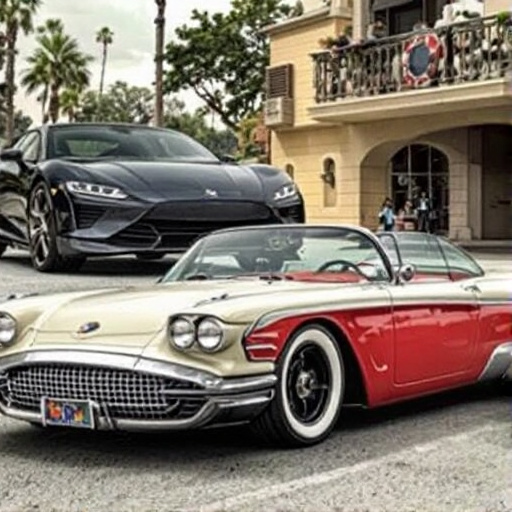
Electric vs. Classic: The Surprising Cultural Clash Shaping Tomorrow's Car Enthusiasts
Electric vs. Classic: The Surprising Cultural Clash Shaping Tomorrow's Car Enthusiasts
The future of automotive passion is hanging in the balance, caught at the crossroads of electric innovation and classic nostalgia. As the car industry undergoes a seismic shift, the clash between electric vehicles (EVs) and traditional internal combustion engines (ICE) is fostering a cultural battleground that is transforming the identity of today's car enthusiasts.
The Rise of Electric Vehicles
Let’s hit the accelerator with some stats: According to the International Energy Agency, global electric vehicle sales reached 10 million in 2022, reflecting a whopping 60% increase from the previous year (IEA, 2023). This surge is not just a passing trend; it’s a movement, supported by technological advancements and environmental awareness that keep growing in tandem. But what’s fueling this transition? Simple. The desire for sustainability.
Eco-Friendly Ethos
For many young enthusiasts, the appeal of electric vehicles lies not only in their performance but also in their green credentials. "Battery-powered cars don't just drive smoothly; they also help drive humanity towards a cleaner future," says Laura Chen, a 24-year-old automotive journalist passionate about green vehicles. The eco-conscious mindset resonates with the Gen Z demographic who are now embracing these vehicles as a statement of values, demonstrating that they care about their planet.
The Classic Appeal
Switching lanes, let’s talk about the iconic allure of classic cars. There’s something romantic about the growl of a V8 engine, the feel of a gear shift, and the craftsmanship of a vintage automobile. Car enthusiasts often describe these classic marvels as pieces of art. Take the Ford Mustang or the Chevrolet Corvette, for example; they’re not just vehicles; they're symbols of freedom and rebellion.
Storytelling Through Machines
Every dent, scratch, and rusted part tells a story. A 45-year-old gearhead, Mike Thompson, recalls his first experience behind the wheel of a '68 Mustang: “It was as if I were shaking hands with history. Every turn of the key brought to life a million tales of the open road.” Stories like these solidify classic cars as nostalgic cultural icons, sparking fierce loyalty among their fans.
The Economic Factor
Let’s not forget about the economics of this cultural clash. According to a report by BloombergNEF, electric vehicle prices are projected to drop and become on par with their gasoline counterparts by 2025 (BNEF, 2023). This might seem to level the playing field, but classic car enthusiasts may argue that a vintage ride is an investment that rarely loses value over time. Classic cars, with their unique designs and rich histories, can often maintain or even appreciate in value, making them more than just a means of transport.
Performance Showdown
If Michael Bay directed a car chase scene, it would undoubtedly feature electric vehicles due to their instant torque and impressive acceleration. “I took a Tesla Model S P1000D for a spin, and the acceleration was mind-bending. It made my 1970 Dodge Charger feel like a horse and buggy,” says Darrell, a 32-year-old technology enthusiast and car aficionado specializing in muscle cars. The performance narrative around electric vehicles is increasingly compelling, inviting the younger generation to jump on the EV bandwagon.
Growing Community of Electric Enthusiasts
Social media is steering this automotive culture forward, creating virtual car clubs dedicated to electric performance. In fact, podcasts and YouTube channels centered around electric cars are popping up like daisies, connecting enthusiasts across the globe. Even the revered Jay Leno has embraced the trend, showcasing the latest EVs alongside his extensive collection of classics on his popular show. This blending of cultures is becoming the norm.
Technological Innovations
The electric vehicle revolution signals a rapid pace of technological advancement. Features such as autonomous driving, advanced safety measures, and smart navigation systems are reimagining what driving means. For younger enthusiasts, these innovations resonate strongly with their digital-first world. Imagine a car that enables you to connect your playlists, navigate with voice commands, or even drive itself while you chill in the backseat, scrolling through TikTok!
The Cultural Clash
This dynamic shift brings about a palpable tension. The old guard sees EVs as the harbingers of the death of the driving experience they cherish, while the new generation views them as the harbinger of a more thrilling and futuristic journey. It’s not just vinyl vs. streaming music; it’s a full-blown cultural war. And beautifying the struggle, memes like “gas guzzlers vs. battery suckers” warm our feeds, bringing humor to what’s essentially a clash of passionate communities.
Curators of Culture
Classic car shows and local meetups, often dominated by vintage enthusiasts proudly polishing their machines, see a shift as electric models make appearances. The modernity of EVs juxtaposed with the nostalgia of ICEs leads to curious interactions. Imagine a Model T parked next to a brand-new Rivian—it’s history and future waltzing together, creating a curious dialogue that begs questions about identity and preference.
Generational Shifts in Attitudes
The generational divide can be best appreciated by examining different attitudes toward both types of vehicles. “When I was growing up, my dad took me to car shows featuring old models like the ‘57 Chevy,” says 17-year-old Emily Torres. “He thinks nothing beats the sound of a revving engine. But, honestly, I’d prefer something that will get me to prom in style while being eco-friendly.”
Persuasive Statistics
Statistics show that millennials and Gen Z are increasingly concerned about climate change, with a 2021 survey finding that 66% of those aged 18-29 prioritized sustainability (Pew Research Center, 2021). This admiration for eco-friendliness plays a critical role in driving the demand for electric cars. For them, it’s not merely about transport; it’s about being part of a solution to one of our greatest global challenges.
Unexpected Collaborations
In an unexpected fusion of worlds, we’re starting to see classic brands dabble in electric prototypes. The Porsche Taycan has drawn inspiration from the sounds and designs of its iconic 911 model, aiming to draw in hard-hitting traditionalists while offering modern electric performance. One can’t help but admire and raise eyebrows at the simultaneous evolution of old and new. This pairing highlights how the old guard isn’t laying down their tools just yet but is rather reinventing themselves in the face of change.
Conclusion: A Harmonious Future
Ultimately, the cultural clash of electric versus classic vehicles reflects a broader dialogue on values, sustainability, and identity. As younger enthusiasts navigate their passion for cars in an increasingly digital and eco-conscious world, there’s a strong potential for collaboration rather than competition. Perhaps the future will see electric cars that embody the vintage aesthetics while delivering cutting-edge technology, uniting both factions into a harmonious driving culture.
Embracing the Best of Both Worlds
In this dynamic automotive landscape, car enthusiasts of all ages can coexist and celebrate what they love about vehicles—whether it’s the roar of an engine or the quiet hum of an electric motor. After all, every car, new or old, carries the potential for adventure. It’s about time we shift gears, harmonize our passions, and embrace the expansive horizon of automotive culture. And let’s be honest—there’s room for both the classic and the cutting-edge. The road ahead is long, winding, and filled with possibilities.
So whether you’re revving the engine of a vintage Mustang or charging up a sleek Tesla in your driveway, remember that at the end of the day, it’s all about the drive. Buckle up; we’re in for an exhilarating ride!
Read More