Related Articles
- Charged Up! How Electric Vehicles are Reshaping Urban Wildlife Habitats and Biodiversity
- Navigating the Used Car Market: Uncovering the Secrets of 'As-Is' Sales for Savvy Buyers
- The Rise of Electric Car Pop-up Shops: A New Frontier for Urban Retail Experiences
- The Forgotten Art of DIY Car Maintenance: Rediscovering Skills in a Tech-Driven World
- Electric vs. Vintage: The Battle for Enthusiasts' Hearts in the Age of Latest Car Models
- The Rise of the 'Car Review Influencer': How Social Media is Shaping Auto Buying Decisions
"Electric Mood: How Color Trends Are Shaping the Latest Car Models for 2024"
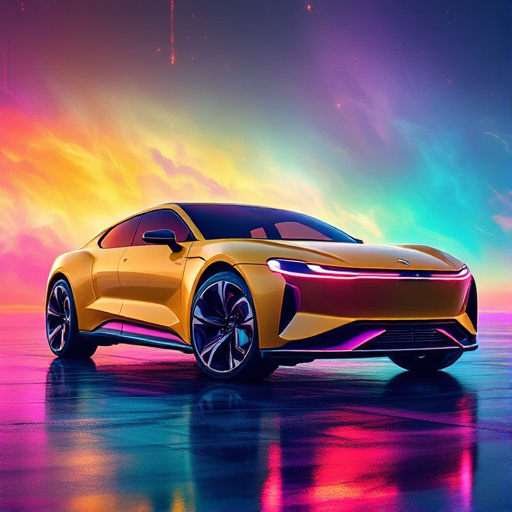
"Electric Mood: How Color Trends Are Shaping the Latest Car Models for 2024"
The evolution of color trends in the automotive industry for 2024 is a fascinating journey, with electric hues driving new consumer preferences and influencing car designs. As we dive into the colorful world of cars, we’ll explore how these trends reflect broader societal shifts and what it means for car manufacturers and buyers alike.
Color Psychology: The Power of Hues
Color is more than just an aesthetic choice; it holds psychological significance. According to a study by the Institute for Color Research, people make an unconscious judgment about a product within 90 seconds, and between 62% to 90% of that assessment is based solely on color. When it comes to cars, selecting the right color can influence not only the buyer's emotions but also sales data.
A Blast from the Past: Retro Colors Making a Comeback
While the latest trend is undeniably vibrant, nostalgia plays a significant role in car colors for 2024. Auto brands have begun reintroducing retro colors, like burnt orange and avocado green, reminiscent of the 1970s. These hues have a playful charm that resonates particularly well with millennials and Gen Z, who enjoy blending modernity with a throwback feel. As Hyundais and Kias adorn these vivid colors, it’s clear consumers are craving a taste of vintage aesthetics.
Brand Case Study: Ford’s Electric Blue Innovation
Ford is a key player in the electric mood movement. The iconic automobile manufacturer has unveiled its electric vehicle models in a striking electric blue, which not only symbolizes sustainability but also appeals to a younger demographic keen on environmental responsibility. Statistics from Ford show that 65% of millennials prefer brands that prioritize sustainability (Source: Ford Sustainability Report 2023). This choice reflects Millennials' values, pairing innovation with style.
The Science of Color Trends
Color forecasting has become a lucrative industry, with research firms like Color Marketing Group conducting extensive analyses to predict the next big hues. The 2024 palette suggests softer shades combined with vibrant accents; think serene mint greens complemented by zesty coral. This mix illustrates a trend toward contrasting emotions—grounding yet exciting, calm yet invigorating—profoundly resonating with consumers grappling with today’s fast-paced world.
Not Just Looks: The Impact of Color on Vehicle Performance
While most consumers might not consider it, color can also influence vehicle performance. Darker colors tend to absorb heat more adequately, which can affect battery efficiency in electric vehicles. As a result, manufacturers are leaning towards lighter colors for EVs to enhance their efficiency and keep them cooler in warmer climates. The shift toward pastel tones, often associated with eco-friendliness, highlights a growing awareness surrounding performance and aesthetic balance.
Humor: Driving in Color
This just in: The only thing more colorful than the latest car models is the driver trying to parallel park them. Picture this: a bright lemon yellow car in the hands of someone who thinks “parallel parking” is a term used for jigsaw puzzles! But hey, when you roll up in a car that vibrant, you’re pretty much obligated to announce, “I’m here, look how fabulous I am!”
Gender and Color: Who Drives What?
It’s no secret that color preferences often skew by gender. Traditionally, women have gravitated toward warmer shades like reds and purples, while men often opt for cooler tones like blue and gray. However, a recent study from AskMen indicates that modern women are increasingly selecting bold colors like neon or metallic shades. With manufacturers recognizing these shifts, they are now more inclined to produce a variety of color options that appeal broadly across different demographics.
The Role of Social Media in Color Trends
With over 1 billion users on Instagram, it’s no wonder colors are trending digitally too! Social media influencers are having a remarkable effect on color choices in the automotive sector. Vivid colors showcased in influencer posts, whether through organic content or collaboration with brands, contribute to shaping consumer aesthetics. Over 50% of drivers aged 18-29 consider a color trending on social media before making a purchase decision (Source: Social Media Influence on Vehicle Color Trends Study, 2023). The age of electric mood is heavily influenced by the online personas that dominate our feeds.
Regional Trends: Global Color Preferences
While exporting colors from one region to another, it's essential to consider cultural tastes. For example, in Europe, sleek greys and deep blues remain highly favored, symbolizing sophistication and professionalism. Meanwhile, the Middle East seems to revel in vibrant reds and whites, representing luxury and status. Recognizing these regional trends helps manufacturers tailor their offerings to local markets while appealing to their global audiences.
Stories Behind the Hues
Ever wondered how manufacturers choose specific colors for each model? Take, for instance, the story behind Tesla's “Midnight Silver Metallic.” This hue was born from consumer feedback and aims to establish a connection between the innovative tech of the vehicle and the sleek sophistication expected by its buyers. In a way, it's a testament to how consumer demand drives innovation—an electric cycle of creation and desire.
Consumer Engagement: Color Voting Campaigns
Involving consumers in the design process has become a clever way to build brand loyalty. Notably, Jeep recently held a “color voting” campaign, allowing fans to select shades for their limited edition models. This resulted in over 60,000 votes, and the winning hue, “Mango,” captured the imagination of teal enthusiasts everywhere, proving that when you engage your audience, they respond with enthusiasm and energy.
Sustainability and Color Choices
As consumers continue to prioritize sustainability, the desire for eco-friendly colors has also come into play. Manufacturers are increasingly using natural pigments and water-based paints, reducing the environmental footprint of the automotive paint industry. Moreover, colors that naturally blend with the earth, such as greens and browns, are gaining momentum, reflecting a more significant movement towards harmony with our planet.
Electric Cars and Color: A Perfect Match
The emergence of electric vehicles has opened up an entirely new palette of possibilities! With their unique shapes and designs free from traditional constraints, companies can explore less-conventional color options. Rivian, for instance, uses a range of earth tones in their vehicle models to attract environmentally conscious consumers while emphasizing their brand ethos. The idea is that driving an EV not only feels good—it looks good too.
A Future Driven by Color
So what does the future hold? As we leap toward 2024 and beyond, the color trends in the automotive industry suggest continued innovation and exploration. Manufacturers will need to remain agile and willing to adapt to ever-evolving consumer preferences, influenced not just by the latest fashion trends but by deep-rooted social and cultural dynamics. The car you choose to drive is not merely a mode of transport; it’s an extension of your personal identity, intertwining sustainability, technology, and a splash of vibrancy.
Wrapping Up: The Electric Rainbow on Wheels
The electric mood transforming car colors represents much more than just paint; it signifies a cultural shift towards greater individuality, sustainability, and connection. With retro shades making a comeback, innovative color choices for electric vehicles, and a consumer base eager to express their personal style, 2024 promises to be a colorful year for the automotive world. So, whether you’re a fan of sunshine yellow or prefer sophisticated slate gray, there’s a shade out there waiting just for you!
Read More