Related Articles
- Charged Up! How Electric Vehicles are Reshaping Urban Wildlife Habitats and Biodiversity
- Navigating the Used Car Market: Uncovering the Secrets of 'As-Is' Sales for Savvy Buyers
- The Rise of Electric Car Pop-up Shops: A New Frontier for Urban Retail Experiences
- The Forgotten Art of DIY Car Maintenance: Rediscovering Skills in a Tech-Driven World
- Electric vs. Vintage: The Battle for Enthusiasts' Hearts in the Age of Latest Car Models
- The Rise of the 'Car Review Influencer': How Social Media is Shaping Auto Buying Decisions
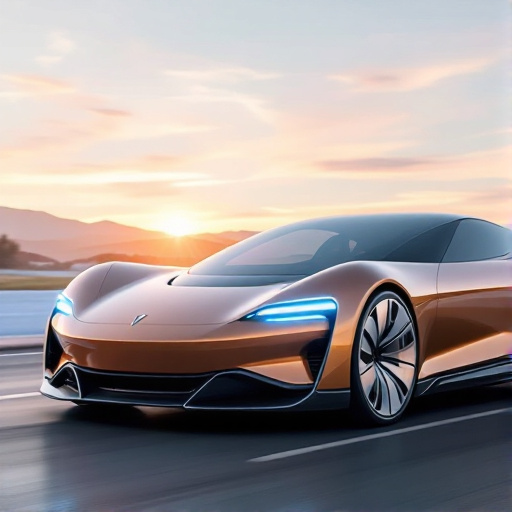
Revving Up the Future: How Electric Cars are Changing the Art of Reviewing Automobiles
Revving Up the Future: How Electric Cars are Changing the Art of Reviewing Automobiles
Electric cars are transforming the automobile industry, ushering in a new era of reviewing that balances technological innovation with user experience. From performance metrics to ecological impact, car reviewers now have an array of factors to consider that were virtually unheard of a decade ago.
The Shift in Review Parameters
Let’s admit it. The automotive landscape is no longer dominated solely by horsepower and torque figures. As a 28-year-old auto enthusiast, I've often marveled at how making sense of the buzzing excitement that surrounds electric vehicles (EVs) has reshaped how we approach reviews. Battery range, charging time, and regenerative braking have become essential metrics. A survey by Deloitte indicates that 73% of consumers cite poor charging infrastructure as a barrier to EV adoption (Deloitte, 2022). Therefore, in reviews, it’s not just about how fast a car goes; it’s equally about the network of charging stations, the ease of use, and the overall experience of integrating electric vehicles into daily life.
Let’s Talk Specs: Performance vs. Experience
As electric cars ascend in popularity, let us consider the Tesla Model S Plaid: a vehicle that has redefined performance metrics in ways that some traditionalists might find hard to swallow. With a 0-60 mph time of under 2 seconds, it's easily among the fastest production cars ever made. Yet, a reviewer needs to address not just the astoundingly quick launch but also the sleek minimalist design that makes it feel like a spaceship on wheels. And honestly, who wouldn't want to feel like Captain Kirk every time they get behind the wheel?
Engagement with a Diverse Audience
Now, let’s zoom out a bit. Taking a page from the storytelling playbook, car reviews must engage a broader audience. Imagine a casual reader, perhaps a first-time car buyer at 22 years old, who’s curious about making the leap to an EV. A review must cater to beginners without bombarding them with jargon like “kilowatt-hours” or “regen mode.” Instead, a good review might start by painting a mental picture: “Picture yourself driving silently through a city, with a feel-good eco-friendly vibe, and knowing that every mile you drive reduces your carbon footprint.” Such a relatable component must resonate, striking a chord with those who might otherwise shy away from the technicalities.
Case Study: The Nissan Leaf
Take the Nissan Leaf, for example. Initially scoffed at by car aficionados for its lack of pizzazz, this little hatchback paved the way for a new reviewing paradigm. In 2021, the Leaf emerged as one of the best-selling electric cars globally, proving that efficiency and affordability are driving factors for the average consumer. Reviews that focus on the Leaf's usability—its backseat space, surprisingly roomy trunk, and advanced safety features—help potential buyers understand its value beyond just stats (EV Sales, 2021).
The Humor in Misconceptions
Let’s not forget humor! Picture a review where the author lightheartedly compares checking battery levels to managing a teenager’s screen time. “Just like telling Junior that he can’t game until homework is done, you’ll want to charge up your EV every night to ensure it’s ready for tomorrow.” This adds a layer of relatability that might just make someone reconsider their previously apathetic views about electric cars.
A Shift in the Narrative
Moreover, as the auto industry acknowledges electric cars as the future, we find ourselves at the fascinating intersection of car culture and environmentalism. Writer’s voice and narrative style are transforming behind the wheel of a rapidly evolving automotive landscape. Instead of painting car brands in black and white, reviewers today have become storytellers guiding readers through a shifting world of ethics, technology, and lifestyle choices.
Connecting with the Environment
It’s hard to ignore the environmental impact of petrol vs. electric vehicles. According to a study by the Union of Concerned Scientists, electric vehicles produce, on average, less than half the emissions of gas-powered cars over their lifetime (UCS, 2020). Reviews that highlight the tangible benefits—like reducing urban air pollution and contributing to lower greenhouse gas emissions—connect not just with car buyers but also with the eco-conscious consumer looking to make an impact.
Statistics Speak Louder
While narratives are essential, statistics lend credibility. Did you know that global EV sales reached 6.6 million units in 2021, a staggering increase of 108% from the previous year (IEA, 2022)? This growth signals that automakers and reviewers alike are leaning into a new frontier. Indeed, illustrating growth through numbers can bolster a car review, showcasing both the rising demand for electric vehicles and the evolving consumer expectations around technology and sustainability.
How Review Platforms Are Changing
The platforms for automotive reviews are, too, evolving. No longer is it solely about magazines and newspapers. Now, we have YouTube channels, TikTok accounts, and Instagram influencers who break down content into bite-sized, palatable formats. These multi-faceted platforms juxtapose high-quality editorial reviews with relatable video content, reaching diverse audiences in ways traditional media cannot.
Creating Engaging Content
Imagine a TikTok that delivers a review within 60 seconds. The charm? Quick visuals paired with snappy dialog, such as, “Let’s talk about the charging time—like 15 minutes for a 200-mile boost. That’s shorter than your average coffee run. Bonus points if you find a café with charging ports!” Engaging language like this captures attention and keeps electric vehicle discussions lively.
The Personal Touch
As we see these changes unfold, the role of personal anecdotes in reviews becomes increasingly significant. Sharing stories about how an electric car fits into family life or how it performs during a road trip resonates deeper than mere data. Such narratives humanize the car experience, bridging the gap between statistics and sentimental value, eliciting an emotional response from readers.
The Future is Electric: A Final Thought
Ultimately, as we stand on the precipice of this electric revolution, the future of car reviewing hinges on adaptability. The conversation is evolving from cold, hard data to embrace everything from humor and storytelling culture to genuine human experiences. With scrutiny focused on sustainable practices and eco-friendly alternatives, the reviewer’s role is more important than ever, becoming a guide into a realm of lifestyle integration and environmental awareness.
As a 28-year-old with an insatiable interest in electric vehicles, I can't wait to see where this journey takes us. The art of reviewing automobiles has indeed been revved up, setting the stage for exciting innovations ahead. Spare a thought for those aspiring auto critics: your job is about to get a whole lot cooler. Buckle up; the ride has just begun!
Read More