Related Articles
- Charged Up! How Electric Vehicles are Reshaping Urban Wildlife Habitats and Biodiversity
- Navigating the Used Car Market: Uncovering the Secrets of 'As-Is' Sales for Savvy Buyers
- The Rise of Electric Car Pop-up Shops: A New Frontier for Urban Retail Experiences
- The Forgotten Art of DIY Car Maintenance: Rediscovering Skills in a Tech-Driven World
- Electric vs. Vintage: The Battle for Enthusiasts' Hearts in the Age of Latest Car Models
- The Rise of the 'Car Review Influencer': How Social Media is Shaping Auto Buying Decisions
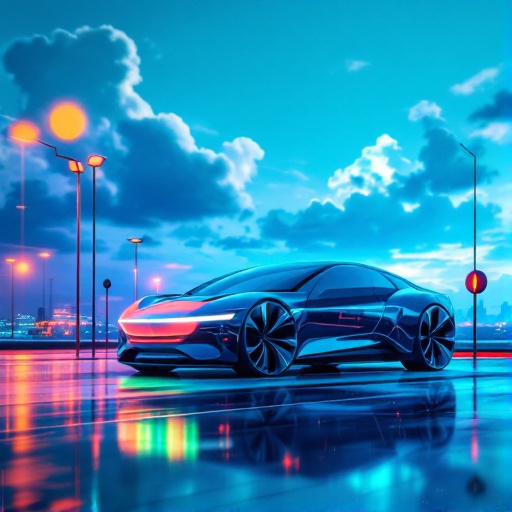
Electric Vehicles and You: How Changing Consumer Behaviors are Shaping the Future of Car Design
Electric Vehicles and You: How Changing Consumer Behaviors are Shaping the Future of Car Design
The rise of electric vehicles (EVs) is not just a trend; it's a revolution that's transforming the automotive industry. As consumer behavior shifts towards sustainability and technology, car manufacturers are rethinking their designs and features to meet the demands of a new generation of drivers.
The Electrifying Shift in Preferences
Sales of electric vehicles have skyrocketed in recent years. According to the International Energy Agency, the global electric car stock exceeded 10 million units in 2020, a 43% growth from 2019 (IEA, 2021). This incredible surge indicates not only a growing acceptance of EVs but also changing consumer expectations. Today’s drivers are increasingly looking for vehicles that align with their values, particularly those concerning the environment and technology.
Case Study: Tesla's Influence
Perhaps one of the most impactful players in the EV market is Tesla. Founded in 2003, Tesla has not only redefined the electric vehicle but has also transformed consumer perceptions about what an electric car can be. With sleek designs, impressive performance, and innovative technology, Tesla's sales figures have soared. In 2020 alone, Tesla delivered nearly 500,000 vehicles worldwide, solidifying its status as a leader in the electric vehicle market (Statista, 2021).
A Shift in Demographics
Interestingly, it's not just eco-conscious consumers who are driving this change; younger consumers aged 18-29 are particularly intrigued by electric vehicles. According to a survey by Deloitte, 47% of Gen Z respondents expressed interest in buying an electric vehicle for their first car (Deloitte, 2021). This demographic stands out not just for their purchasing power but also for their preferences toward sustainable products and tech-savvy features.
Designing for a New Era
The shift in consumer behavior is forcing manufacturers to rethink car design. No longer just a means of transport, cars are becoming mobile devices, equipped with cutting-edge technology and safety features. The traditional car silhouette is evolving into more dynamic shapes that reflect the values of connectivity and sustainability.
The Tech Buddy Effect
Imagine this: you wake up, and your car is already preheated to 72 degrees. Welcome to the world of vehicle connectivity! Features such as over-the-air software updates, smart navigation, and in-car entertainment systems are becoming the norm. For instance, Ford’s Mustang Mach-E has an intuitive infotainment system powered by the Ford SYNC technology, allowing drivers to customize their settings and access apps just like on their smartphones. This interconnectedness is particularly appealing to younger generations who have grown up in the digital age.
Eco-Friendly Materials: The New Standard
Today's consumers also demand sustainability not just in the vehicle’s operation but in the materials used to build it. Expect to see a continued rise in the use of eco-friendly materials in car interiors, from biodegradable composites to recycled plastics. Brands like BMW have made significant strides in this area, using recycled ocean plastics in some of their new models, proving that sustainability can go hand-in-hand with luxury (BMW Group, 2021).
Challenges Ahead: Range Anxiety and Infrastructure
Even as exciting innovations emerge, challenges remain. Range anxiety—the fear of running out of battery before reaching a destination—still keeps potential buyers at bay. Fortunately, the expansion of charging infrastructures is alleviating this concern. For instance, the U.S. plans to increase the number of charging stations to 500,000 by 2030, as part of its National EV Infrastructure Plan, facilitating easier access to charging points (U.S. Department of Energy, 2021).
What About The Humorous Side? Let’s Talk About Charging Like It’s a Coffee Break
Let’s face it: the process of charging your EV can feel a lot like waiting for a pot of coffee to brew. You’re standing there, impatiently checking your watch, wondering when you can finally get back on the road—just like that moment when you’re waiting for the last drop of espresso to drip. Just realize that while your combustion engine friend is refueling in five minutes, you could’ve just picked up a latte instead and given your EV some quality “me time.” Dear EV owners, treat that charge as an opportunity for a mini-break, because, let’s be honest, your car probably enjoys that little breather just as much as you do!
The Role of Consumer Education
For many consumers, understanding how EVs work and the benefits they offer remains a hurdle. Car companies must commit to educating their customers about electric vehicles. From understanding battery life to maintenance, it is crucial for potential buyers to be well-informed. Audi, for example, launched an educational initiative that highlights the benefits of EV ownership, including cost savings on fuel and tax incentives, aiming to demystify the EV experience (Audi, 2021).
Creating a Community of EV Enthusiasts
Social media plays a significant role in shaping consumer preferences today. Platforms like Instagram and TikTok are filled with trends about electric vehicles, and influencers are showcasing their EV lifestyles—whether it’s a road trip across the country or a quick charge at a trendy coffee shop. This type of peer influence is powerful, creating a community of enthusiasts that was previously absent in the automotive sector.
Conclusion: The Road Ahead
The electric vehicle revolution is just getting started. With changing consumer behaviors, demands, and preferences, manufacturers are adapting like never before. As a 28-year-old writer passionate about sustainable technology, I am excited to see how our collective choices will influence the cars of tomorrow. Ultimately, the future of car design hinges not only on advancements in technology but also on the acceptance of new norms that put sustainability, usability, and enjoyment at the forefront. Buckle up; it’s going to be a fascinating ride!
This article has explored the intersection of consumer behavior and electric vehicle design, highlighting key trends, challenges, and innovations shaping our future on the road. As we embrace the new era of electric vehicles, understanding how consumer choices influence these developments will be vital for any driver, young or old.
References:International Energy Agency (IEA). (2021). Global Electric Car Stock Hits 10 Million.
Statista. (2021). Number of Tesla Vehicles Delivered Worldwide from 2012 to 2020.
Deloitte. (2021). 2021 Global Automotive Consumer Study.
BMW Group. (2021). Using Recycled Ocean Plastics in New Models.
U.S. Department of Energy. (2021). Electric Vehicle Charging Infrastructure Expansion.
Audi. (2021). Audi's Electric Vehicle Educational Initiative.
Read More